
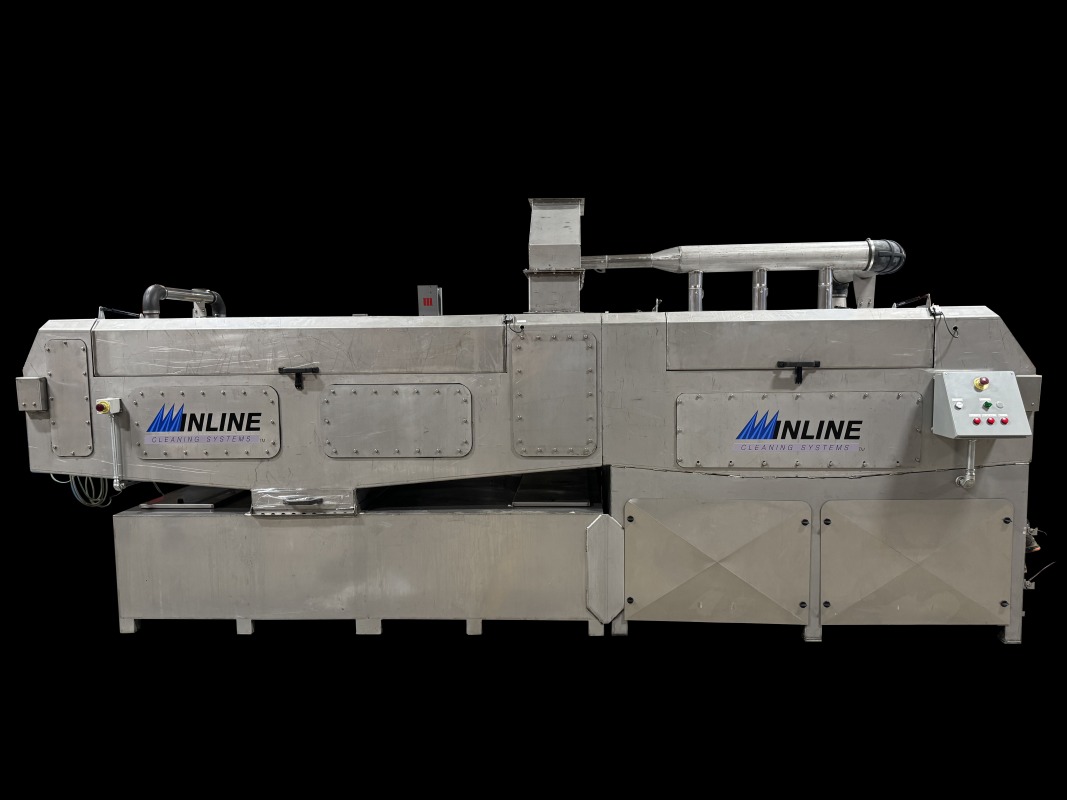
Effective cleaning is a result of balancing four key variables: Time, Temperature, Mechanical Action, and Chemical Concentration. In a Custom Washer, engineers have the freedom to optimize each of these factors for the specific application. Heat is perhaps the most energetic component; for every 10-degree rise in temperature, chemical reaction rates typically double. This means hot water cleans faster and more effectively than cold water, melting greases and activating detergents.
Chemistry refers to the specific cleaning agent used. Whether it's an alkaline cleaner for oil or an acid for scale, the washer must be built to handle the pH. The "Time" factor is controlled by the conveyor speed or cycle timer, ensuring the part is exposed to the cleaning solution long enough to do the work. Finally, mechanical action is provided by the spray pressure. A custom machine balances these elements—known as the "Sinner's Circle"—to achieve the perfect clean at the lowest cost.
Optimizing Parameters In A Parts Washer
A Parts Washer is the vessel where this science happens. The design must facilitate the precise control of these variables.
Temperature Control
Electric immersion heaters or gas burners maintain the solution at the optimal setpoint (usually 140°F - 180°F). Insulation helps hold this heat, making the process energy efficient.
Mechanical Spray Action
The arrangement of nozzles provides the impact. High-pressure impingement is necessary to physically knock heavy debris off the part, complementing the chemical action that loosens the bond.
The Role Of Chemistry
Selecting the right detergent is crucial, but so is maintaining it. The washer must be designed to keep the chemistry active.
Concentration Management
As cleaning happens, detergent is used up. Automated dosing pumps monitor the concentration and add fresh chemical as needed, ensuring the wash quality doesn't degrade over the shift.
Chemical Compatibility
The machine materials (seals, pumps, steel) must be compatible with the chosen chemistry. A custom build ensures that seals don't swell and pumps don't corrode due to chemical attack.
The Sinner's Circle Components
The four pillars of cleaning must work in harmony.
Time: Dwell time in the wash zone.
Temperature: Heat of the solution.
Action: Spray pressure and flow.
Chemical: Detergent type and concentration.
(Plus: Water quality and coverage).
Conclusion
Understanding the science of cleaning allows for the creation of highly effective washing systems. It moves the process from guesswork to engineering. A custom washer provides the platform to control these variables precisely, ensuring consistent, repeatable results.
Ultimately, the mastery of heat, chemistry, time, and mechanics results in parts that meet the highest quality standards. By fine-tuning these elements, manufacturers can optimize their process for speed, cost, and cleanliness.